Ghana Confronts Rising Digital Child Exploitation as CSA Hosts National Workshop
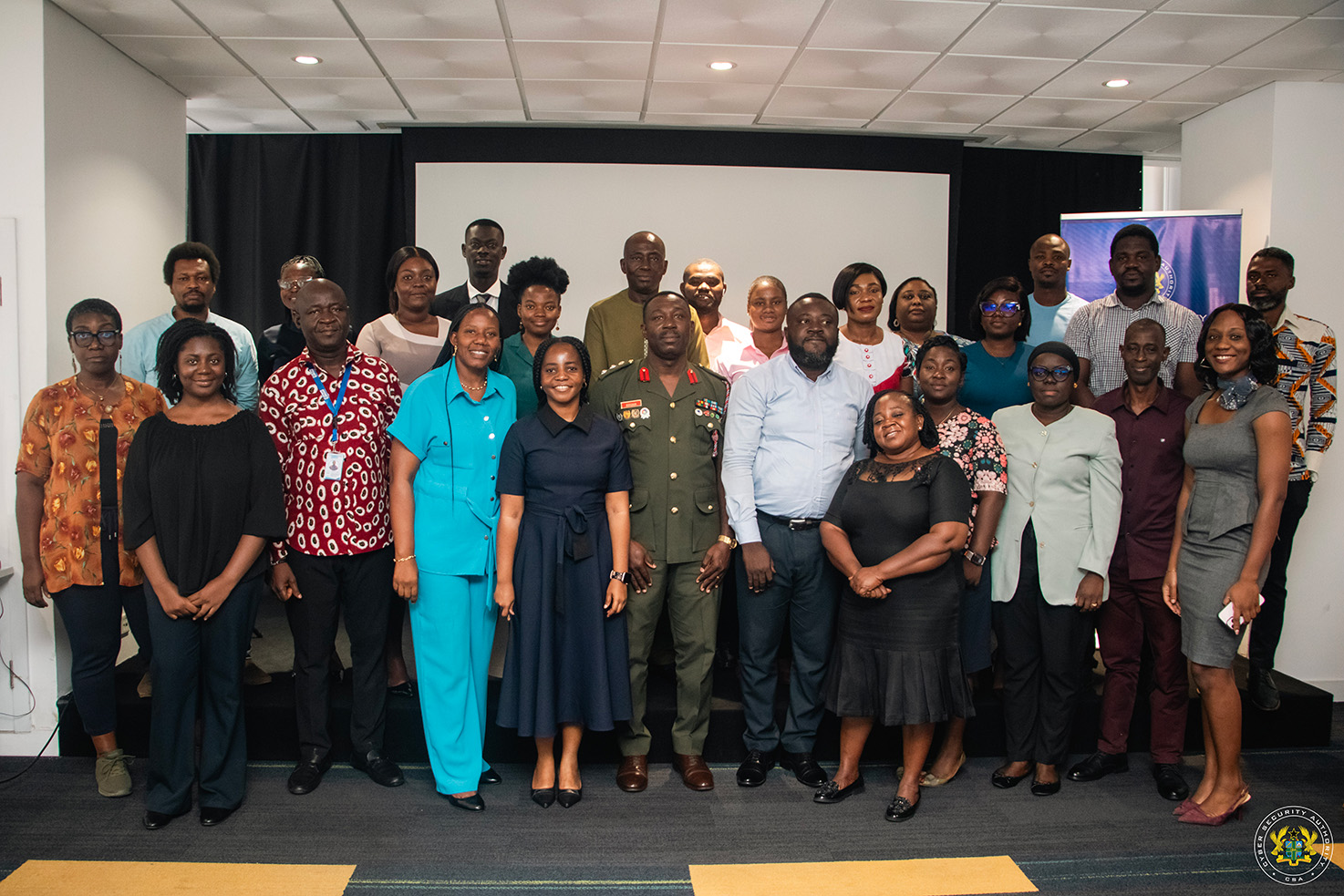 Ghana’s CSA has signalled an urgent alarm over the rising threat of child trafficking facilitated through digital platforms, following a national workshop that brought together stakeholders from law enforcement, social welfare, civil society, and international partners.
The CSA-organised session highlighted a disturbing shift in trafficking methods, with criminals increasingly using social media, online job portals, and encrypted communication channels to recruit, groom, and exploit children. The workshop made clear that child exploitation in Ghana was no longer confined to physical environments but had moved aggressively into online spaces where detection was harder, with the harm spreading faster.
Opening the event on behalf of CSA leadership, Dr. Thomas Awini Assibi stated that fighting online child trafficking “demands a coordinated national action,” blending legislation, operational capacity, public awareness, and responsible use of digital platforms. His remarks set the tone for what became a revealing and often sobering conversation.
One of the most striking interventions came from DSP William Ayariga of the Anti-Human Trafficking Unit of the Ghana Police Service, who confirmed that traffickers operated with sophisticated digital tools and detailed real cases, including children lured through fake job adverts, girls trafficked to Cambodia for online fraud schemes, and one case involving organ harvesting. He further revealed that Ghana’s Digital Child Forensic Laboratory had become essential in retrieving online evidence needed to prosecute traffickers.
Adding a frontline operational perspective, Col. George Eduah Beesi of the CSA touched on night-time surveillance missions and rescue operations, including a case in Tema Community 25, where children as young as twelve were discovered in makeshift containers being exploited online. He warned that trafficking syndicates now operated as national security threats and cautioned that delays in the justice system risked discouraging survivors from cooperating.
From a policy standpoint, Mr Nelson Herald Darko from the CSA reviewed Ghana’s updated National Child Online Protection Framework, relaunched in 2024, saying that despite progress, major gaps remained, especially in national data collection. He stressed that Ghana lacked comprehensive statistics on online child trafficking, limiting the country’s ability to target awareness and enforcement efforts as he highlighted emerging high-risk areas, including grooming, sextortion schemes, deceptive scholarship offers, and exploitation involving children with disabilities.
Participants from IOM, UNICEF, telecom companies, and community organisations noted visible spikes in child exploitation during school holidays, weaknesses in border screening, and emerging trafficking patterns, including “trafficking in sports.”


Social Media Links
Events and Gallery
Advisories
Government Advisory
Business Advisories
Public Advisories
Children Advisories
